
Transformative Land Investment

sustainable food systems, gender-sensitive land tenure, land tenure security, livelihoods and resilience, ecosystem health Ethiopia, Mozambique, Ghana, Laos, Myanmar, socially inclusive land tenure, food security women, agricultural value chains, forestry value chains, rural communities development, private sector agriculture investments, marginalized rural communities, indigenous women empowerment, TLI systems transformation, investor practices food systems, business ecosystem national, global development community, TLI enabling environments, capacity development Laos, Myanmar, TLI toolkit development, Laos enabling environment appraisals, civil society capacity building, BTL investor partnerships, Myanmar Laos partnerships, community of practice Laos, civil society partnerships, donor liaison Laos, RECOFTC, CIFOR project leadership, LEI project role, SNV support, ICRAF partnerships

Project details

Country

Client

Project Timeframe

Key Services

Project Key Information

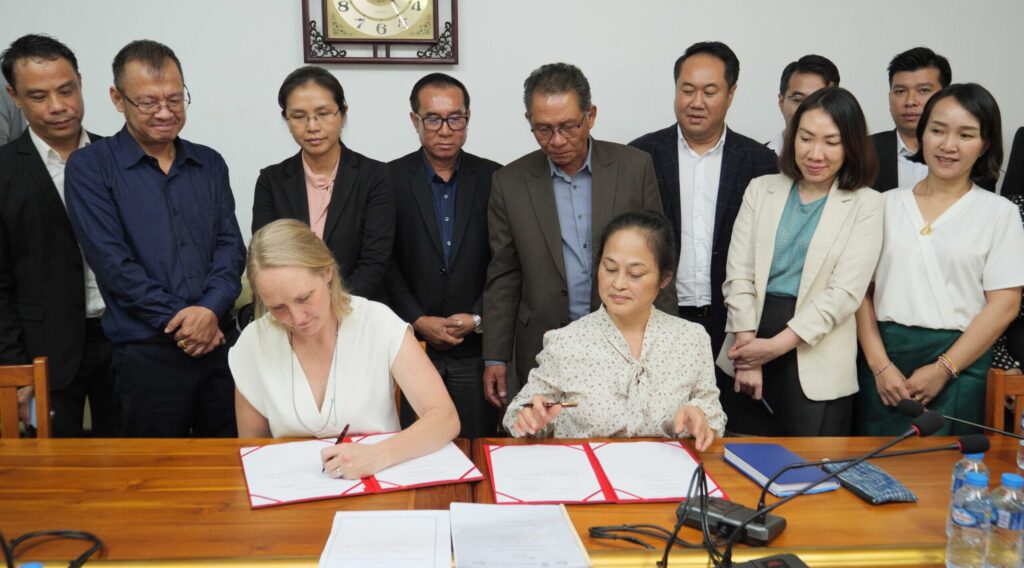
The project seeks to promote a paradigmatic shift towards Transformative Land Investment (TLI). TLI helps countries advance on a multitude of food systems dimensions, as outlined in SDC’s Global Program on Food Security.

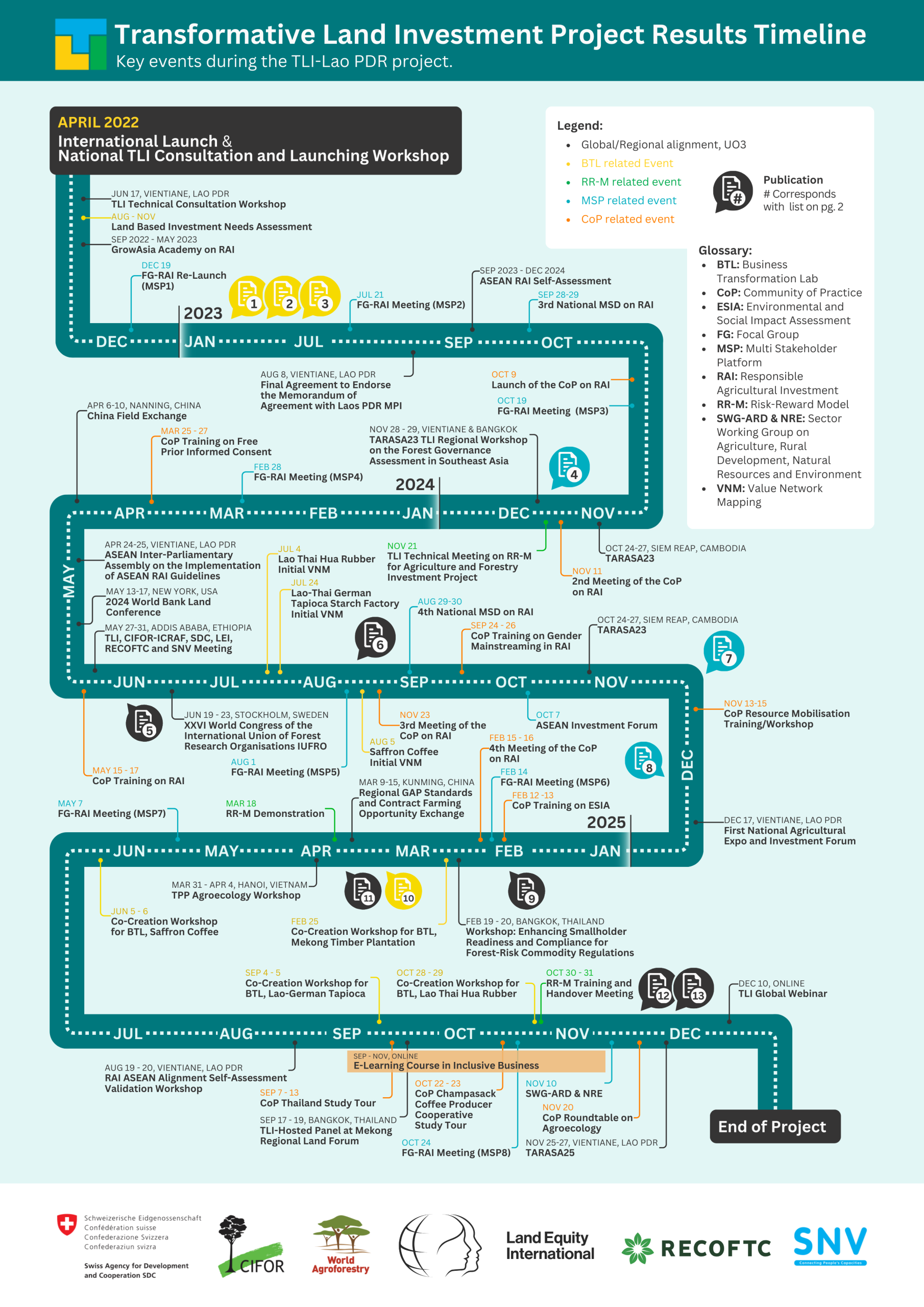
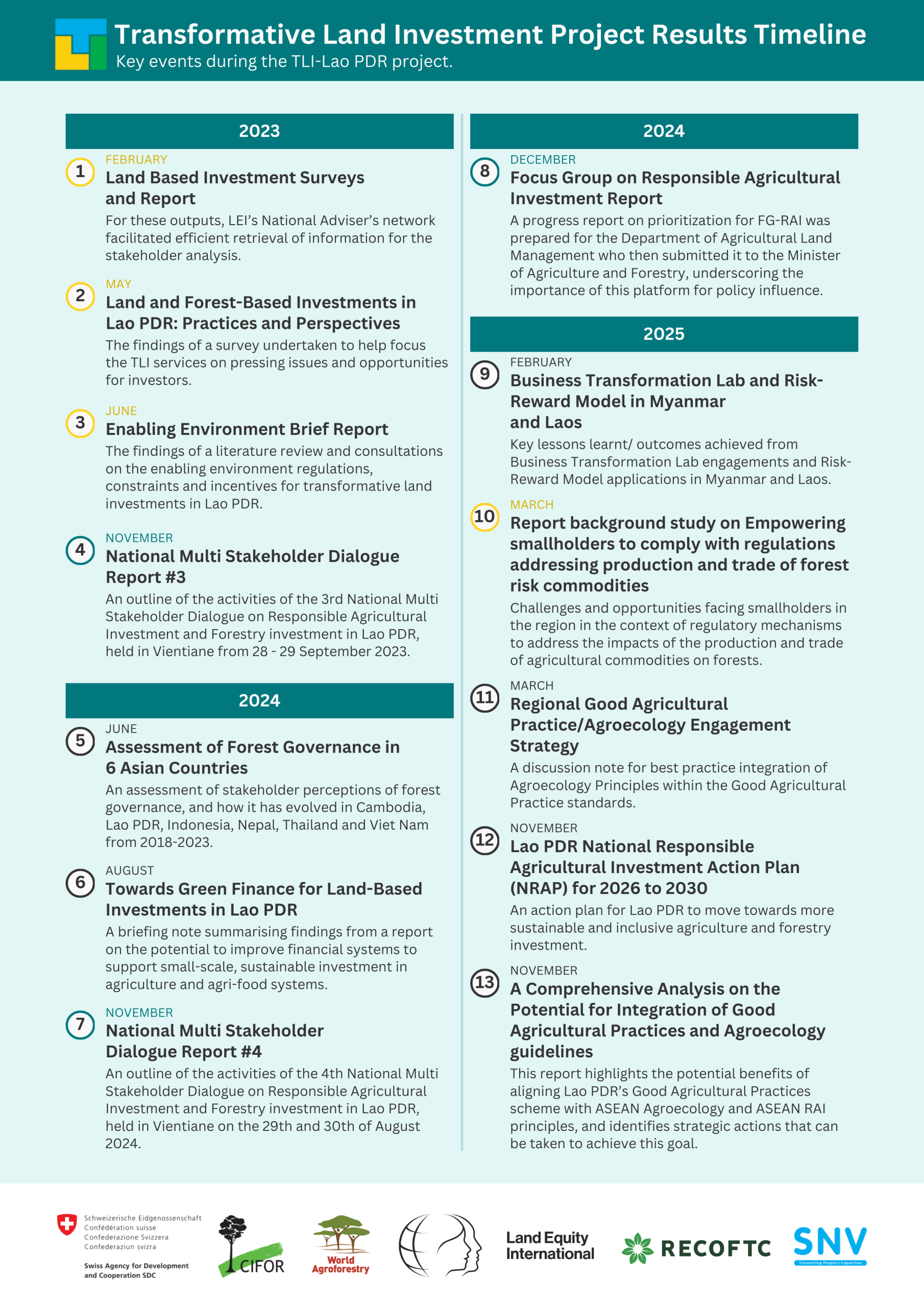
The project’s overall goal is to contribute to more sustainable food systems, with gender-sensitive and socially inclusive improvements in land tenure security, livelihoods, resilience and ecosystem health, among populations focusing efforts in Ethiopia, Mozambique, Ghana, Laos, Myanmar during 2022-2025. It focuses on three interrelated pathways: (1) investors; (2) the national business ecosystem; and (3) the global and regional development community. Systems transformation for TLI requires multi-tiered approaches that change investor practices and enabling environments at all levels to promote and incentivize transformation.

The ultimate project beneficiaries are marginalized, and vulnerable rural communities, that are materially affected by private sector agriculture and forestry investments. The project will enhance food, nutritional and tenure security, especially of women and young people, and empower farmer and indigenous women and men in agricultural and forestry value chains.

CIFOR will lead the project, with support from partners SNV, LEI, ICRAF and RECOFTC.

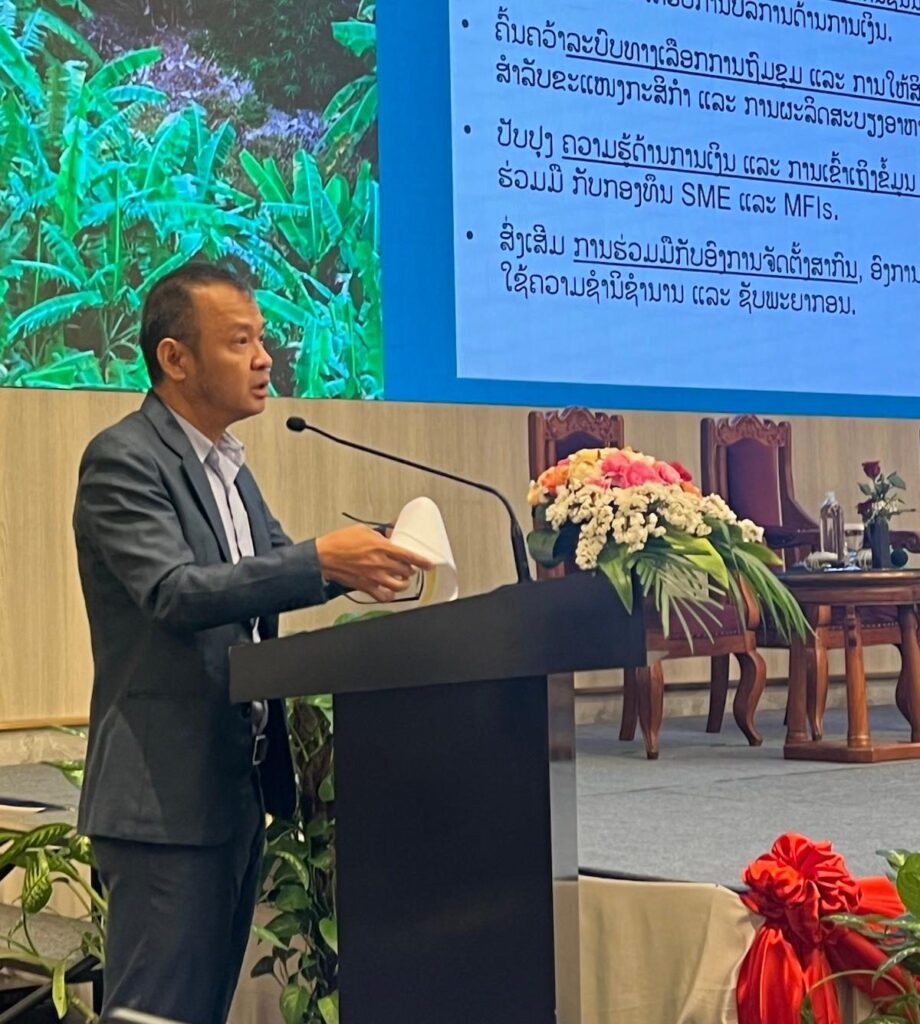
For this project, LEI is focusing on Lao PDR and Myanmar. The scope of LEI’s assignment is as follows:

  • Develop and pilot toolkit for promoting and mainstreaming TLI and TLI national enabling environments
  • Conduct targeted annual appraisals of enabling environment for TLI in Laos
  • Support capacity development of state and civil society across the project
  • Identify BTL investor and civil society resource, capacity and partnership needs and perform matchmaking/brokering and partnership formation activities with the value network as developed for Myanmar and Laos community of practice establishment
  • Liaison with national and regional donors, governments, alliances and project in Laos and across the Asian region


Related Projects

Digitalization of Nepal’s Land Administration Sector

A well-functioning land administration system is essential for economic stability, social justice, environmental sustainability, and effective governance. Despite significant policy reform efforts by the Government of Nepal, limited capacity has challenged the integration of cadastre and land registry data, systems, and institutions to improve service delivery. For this project, LEI partnered with Kadaster International and RajDevi Engineering Consultants to support the Digitalization of Nepal’s Land Administration Sector.

LEI provided technical assistance for the World Bank and Government of Nepal to support the digitalisation and decentralisation of Nepal’s land administration system, as well as the establishment of an

Global Land Facility Programme

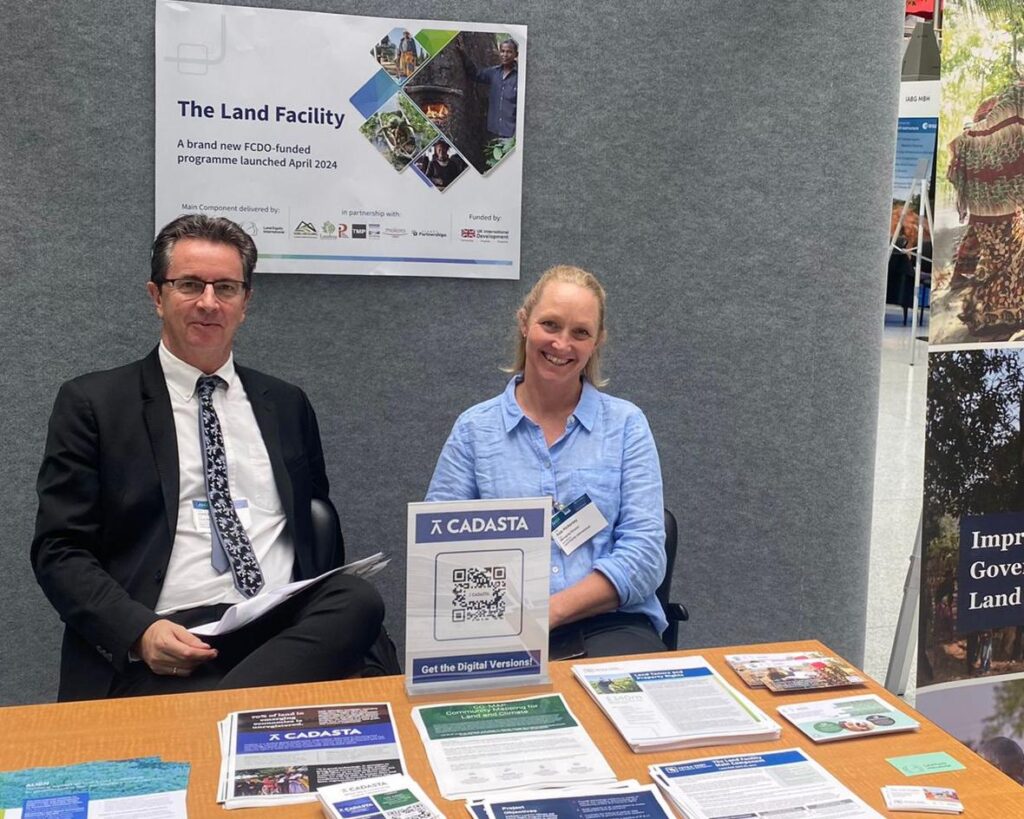
LEI are partnering with lead, Tetra Tech, in the implementation of the Land Facility program, funded by the UK FCDO. The Land Facility (LF) is designed as an offer to partner countries with a UK post, to co-design effective programs of land related reform. It can provide rural, forestry and urban land governance expertise and assistance to support partner governments’ efforts to expand their capacity to plan, manage and implement national land administration policy, legislation and system reforms.

Project Narrative Effective land governance systems are key to economic growth, rural livelihoods, climate change resilience, and women’s rights. Land is a key root cause of conflict, with increasing competition

Vanuatu Land Development, Greater Port Vila Infrastructure, Affordable Housing Vanuatu, Resilient Settlements Development, VARS Project Vanuatu, Land Development Strategy Vanuatu, Housing for Low-Income Earners Vanuatu, Vanuatu Urban Planning, Informal Settlements Upgrading, Flood Mitigation Vanuatu, Vanuatu Land Administration, Greenfield Residential Development, Public-Private Partnerships Vanuatu, Vanuatu Land Policy Advisory, Vanuatu Land Development Legal Services, Community Trusts Vanuatu, Sustainable Urban Growth Vanuatu, Vanuatu Infrastructure Development, Land Subdivision Vanuatu, Vanuatu Government Land Development

Vanuatu Affordable and Resilient Settlements (VARS) Project: Land Development Policy, Legal and Marketing Advisory Services

We contributed to the World Bank’s VARS project (US$25 million) by supporting the efficient and affordable supply of resilient housing in low hazard, peri-urban areas in Great Port Vila.

Project Narrative The overarching development objectives of VARS are to (i) improve access to and resilience of infrastructure and services in selected new and existing settlements, and (ii) strengthen land

In spirit of reconciliation, Land Equity International acknowledges the Traditional Custodians of country throughout Australia and their connections to land, sea, and community. We pay respects to their Elders past and present and extend that respect to all Aboriginal and Torres Strait Islander people.